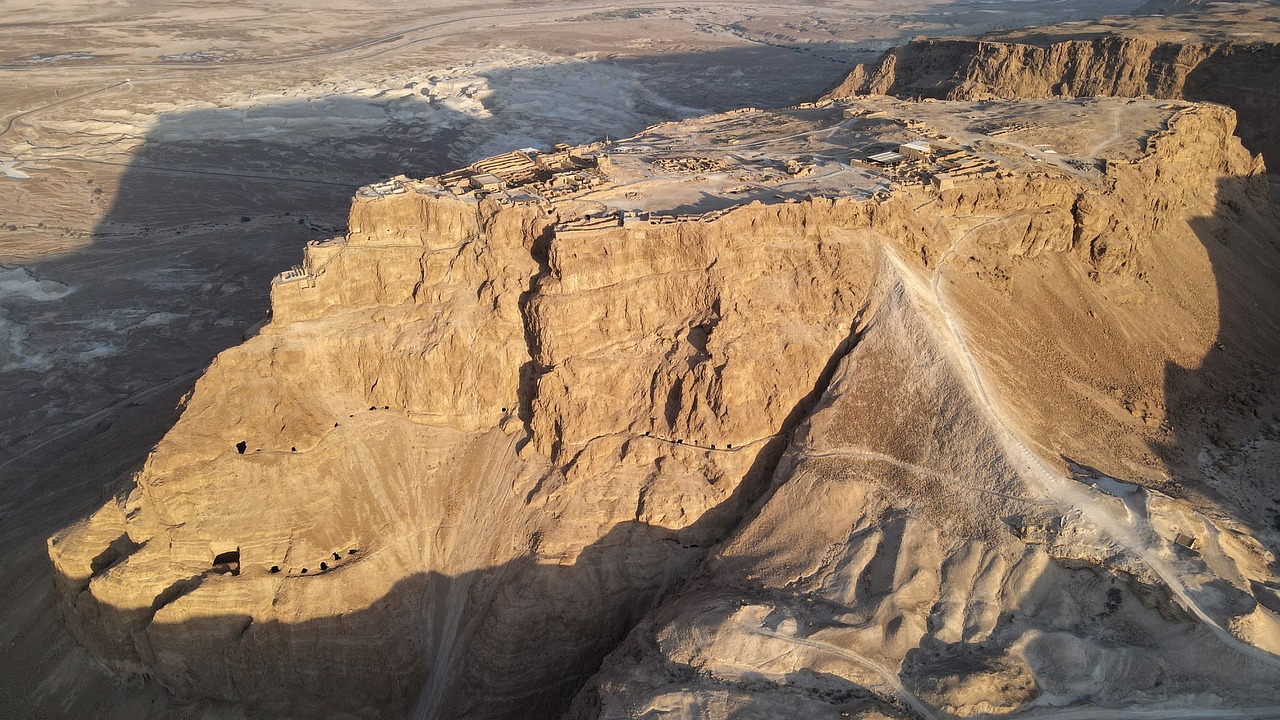
The Significance of UNESCO World Heritage Sites
Every year, millions of travelers embark on a remarkable adventure, visiting the UNESCO World Heritage Sites. These locations not only showcase stunning landscapes and breathtaking architecture but also tell the captivating stories of our shared human history. Did you know that there are currently over 1,100 sites across the globe, each with its unique narrative and cultural significance? In today’s fast-paced world, exploring these treasures offers a chance to reconnect with our past and understand our cultural heritage.
Why Delve Into History Now?
Our fascination with history and culture has never been more relevant. Recent trends show an increasing number of travelers seeking meaningful experiences rather than just a typical vacation. Events like the global pandemic have sparked a desire for deeper connections with the places we visit. This exploration goes beyond simple sightseeing; it’s about immersing oneself in diverse stories that shape our identity.
Bringing History to Life
Imagine walking through the ancient ruins of Pompeii or standing before the majestic Machu Picchu. These sites are not just remnants; they are vibrant portals to the past. Each stone and every corner reveals narratives of triumph and despair, resilience and innovation. By discovering these locations, you embark on a personal journey that deepens your appreciation for the complexity of human civilization.
Current Concerns and Considerations
However, this exploration comes with its challenges. Climate change threatens many of these precious sites, putting their futures at risk. The UNESCO community emphasizes the need for sustainable tourism, reminding us of our responsibility as travelers. Embracing this approach not only preserves these historic landmarks but also enhances our understanding of their importance.
Embracing the Adventure
When you choose to visit UNESCO World Heritage Sites, you contribute to a global movement that values preservation, education, and cultural exchange. The tales behind these icons can inspire a newfound respect for our world and its diversity. Take the leap, and let your adventure through history and culture shape your perspective and enrich your life.
Alright folks, let’s take a ride through the UNESCO World Heritage Sites! Imagine wandering through places that are treasures of our past, all while soaking in rich stories and vibrant cultures. These sites aren’t just brick and mortar; they’re like time machines that teleport you to different eras of human history. You might be asking, what’s the big deal about these sites, anyway? Well, they’re protected because they hold cultural significance and contribute to our understanding of human accomplishments. It’s like a badge of honor for locations that are truly epic!
Definition and Context
So, what’s the scoop on the UNESCO World Heritage Sites? They were set up back in 1972 when countries got together at a fancy conference and decided to protect places that define our planet’s history. The whole idea is to ensure that these incredible locations, spanning from ancient ruins to breathtaking natural landscapes, remain intact for future generations. In today’s world, where modernity often overshadows the past, these sites serve as golden reminders of our roots and keep history alive. Plus, with the surge in global tourism, there’s a race to keep these gems intact while giving us travelers the opportunity to explore!
Advantages and Disadvantages
Now, let’s dive into the good and the bad of exploring these UNESCO World Heritage Sites:
- Highlights:
- Rich Cultural Experience: You’ll learn a ton about different cultures and histories.
- Breathtaking Views: Many sites are stunning and offer amazing photo ops!
- Conservation Efforts: Visiting helps promote funding for keeping these sites in tip-top shape.
- Rich Cultural Experience: You’ll learn a ton about different cultures and histories.
- Breathtaking Views: Many sites are stunning and offer amazing photo ops!
- Conservation Efforts: Visiting helps promote funding for keeping these sites in tip-top shape.
- Drawbacks:
- Crowds: Some popular spots can feel like a zoo during peak seasons.
- Over-commercialization: Sometimes the true essence of the site gets lost in tourist-centric activities.
- Sustainability Issues: More visitors can lead to environmental problems if not managed properly.
- Crowds: Some popular spots can feel like a zoo during peak seasons.
- Over-commercialization: Sometimes the true essence of the site gets lost in tourist-centric activities.
- Sustainability Issues: More visitors can lead to environmental problems if not managed properly.
- Rich Cultural Experience: You’ll learn a ton about different cultures and histories.
- Breathtaking Views: Many sites are stunning and offer amazing photo ops!
- Conservation Efforts: Visiting helps promote funding for keeping these sites in tip-top shape.
- Crowds: Some popular spots can feel like a zoo during peak seasons.
- Over-commercialization: Sometimes the true essence of the site gets lost in tourist-centric activities.
- Sustainability Issues: More visitors can lead to environmental problems if not managed properly.
Practical Applications and Future Perspectives
Okay, so how can we really tap into the wonders of UNESCO World Heritage Sites? One cool thing is that many tourism boards are promoting cultural experiences that delve deeper into local histories. Think guided tours, workshops, and festivals that celebrate the culture of the area. Now, keep your eyes peeled for the future! We might see enhanced digital experiences so folks can enjoy virtual tours or augmented reality apps that share stories in real-time while you explore. Imagine walking through history with your smartphone as your guide!
It’s clear that the journey through these incredible sites isn’t just about seeing the sights; it’s about connecting with history and culture in a way that enriches our lives. Want to know more about these fascinating tales? Check out this link for some interesting stories behind these historic locations.
Every ancient structure and monument you see tells a captivating tale. These historic sites are like time capsules, preserving the past and offering a glimpse into cultures that shaped our world. Imagine walking through a UNESCO World Heritage Site, where each stone whispers secrets of civilizations long gone. It’s not just about the architecture, but the drama and history that breathed life into these places.
Consider, for instance, the majestic pyramids of Egypt. Their massive scale and intricate design are awe-inspiring, but what really intrigues us are the stories of the Pharaohs, the laborers, and the mysterious rituals that took place within their walls. Every visit becomes an adventure, as you peel back the layers of history and culture that define these sites.
A similar experience awaits at the ancient city of Machu Picchu. Perched high in the Andes, it once served as a royal estate. Exploring its terraced fields and temples, you can almost feel the pulse of the Inca civilization. What were their daily lives like? What dreams and challenges did they face? These questions spark our imagination and fill our journeys with deeper meaning.
When visiting these historic sites, it’s essential to engage with the stories they hold. Engaging with local guides who share their knowledge can transform your experience, turning a simple visit into a vibrant exploration of history. You come to appreciate not just what you see, but what lies beneath the surface.
Every UNESCO World Heritage Site represents a unique blend of culture and history that deserves to be recognized and understood. From the Great Barrier Reef’s stunning marine life to the architectural wonders of the Taj Mahal, these places invite us into new worlds, challenging us to ponder our own histories and connections.